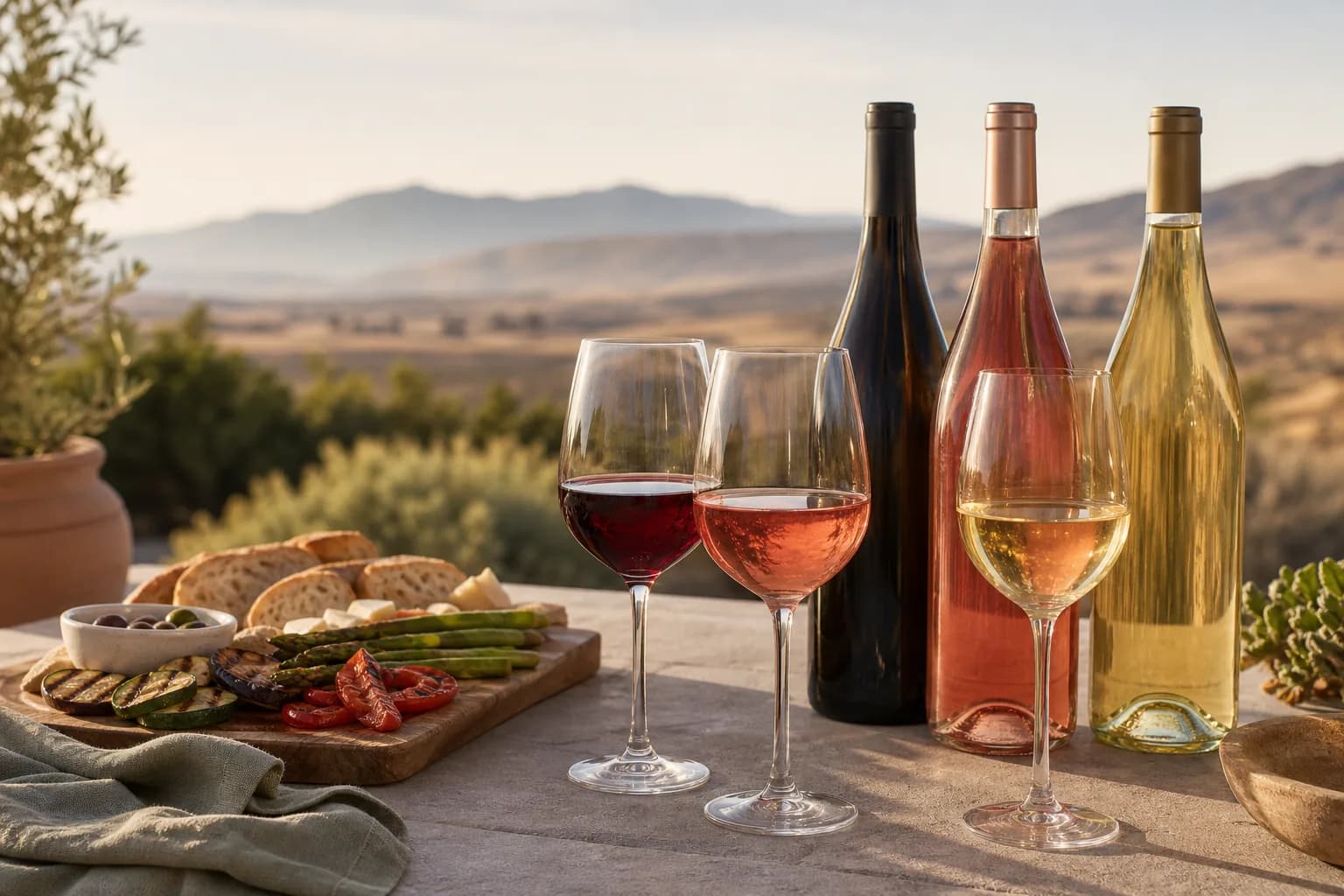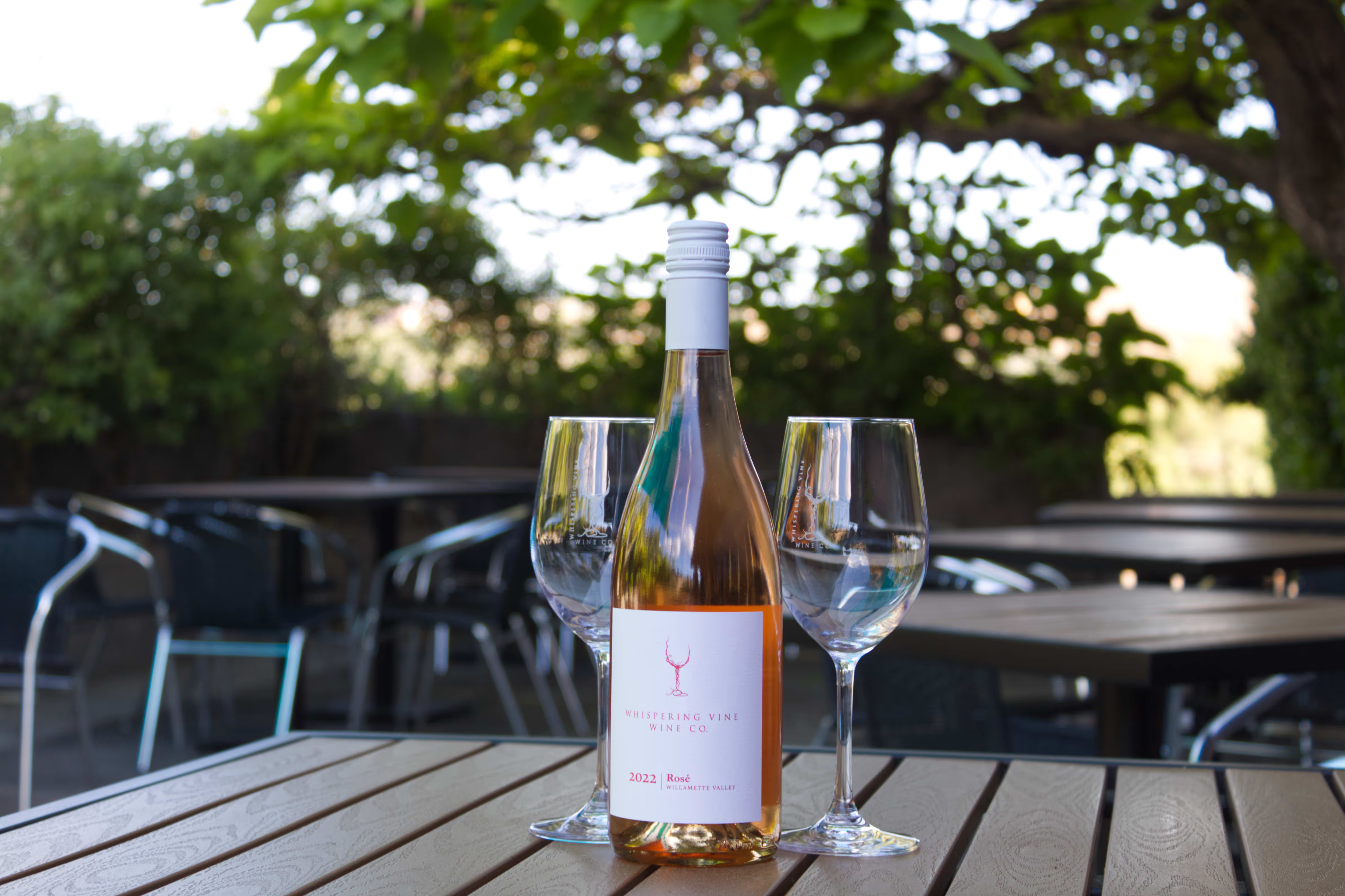
Summer rosé should do one job well: stay refreshing when the day is warm and the table is casual. The best bottles are dry, bright, and flexible enough for snacks, salads, seafood, grilled chicken, and a second glass after sunset.
This guide keeps the choice simple. Look for freshness first, fruit second, and sweetness last.
What Makes a Rosé Right for Summer
Warm weather makes heavy wine feel heavier. A good summer rosé should feel lifted rather than plush.
Look for bottles with:
- crisp acidity
- dry or mostly dry finishes
- red fruit, citrus, peach, melon, or herb notes
- enough structure to work with food
If a rosé tastes soft, syrupy, or candy-like, save it for very casual sipping. For dinner, a drier bottle usually performs better.
The Safest Style to Buy
For most summer tables, choose a dry rosé with pale-to-medium color and a clean finish. Provence-style bottles are popular for a reason: they tend to be crisp, mineral, and easy to pair.
That said, color is not a quality score. A darker rosé can still be dry and excellent, especially when it comes from grapes like Pinot Noir, Grenache, Mourvedre, or Syrah. Read the label language and tasting notes before judging the shade.
Easy Summer Pairings
Dry rosé is one of the most useful bottles for warm-weather food because it sits between white and red.
Try it with:
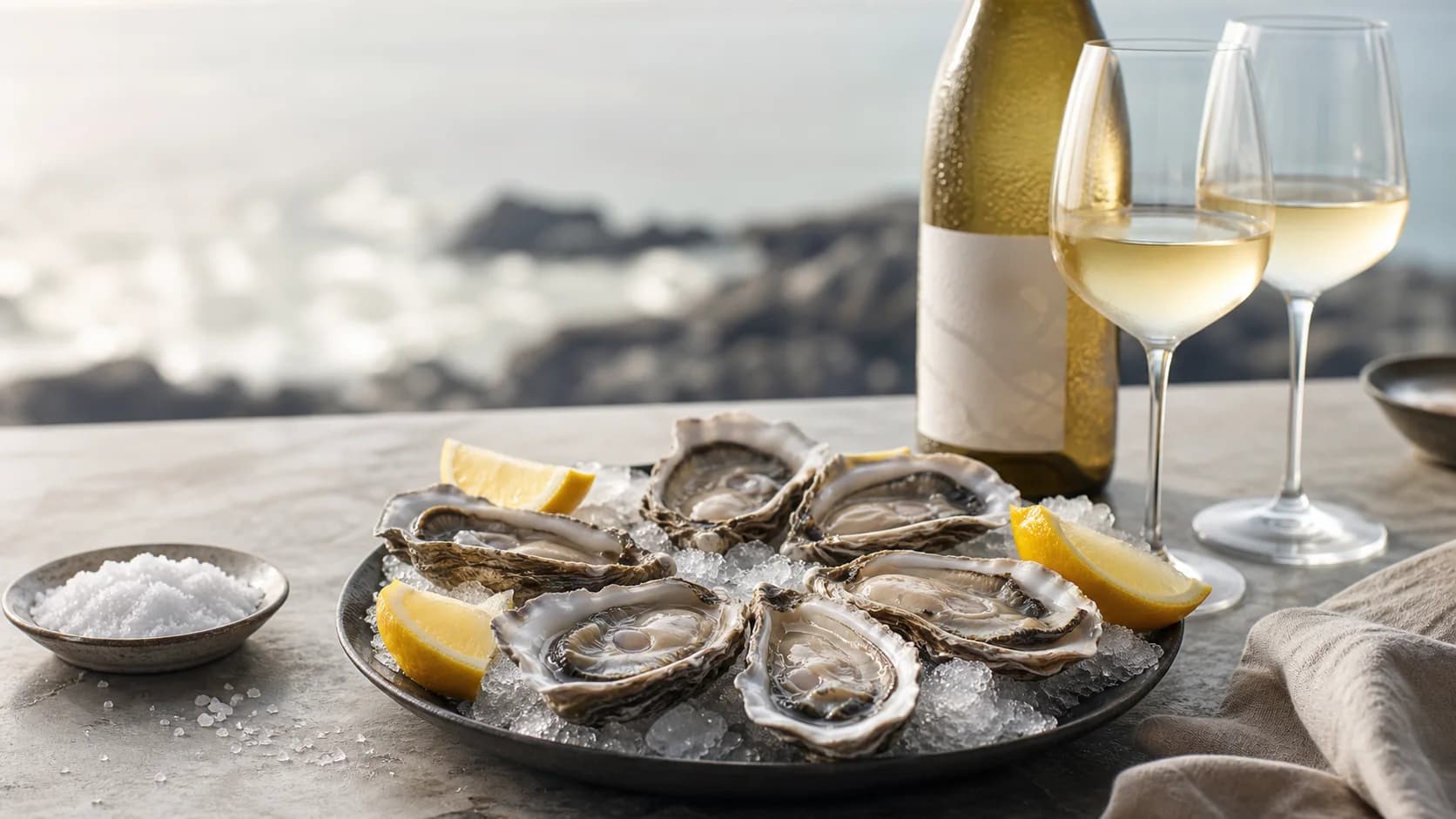
- grilled shrimp or salmon
- roast chicken or chicken salad
- tomatoes, burrata, and herbs
- flatbread, olives, and charcuterie
- burgers with lighter toppings
- watermelon, feta, and mint
The key is salt, freshness, and simple seasoning. Rosé does especially well when the food has herbs, citrus, or a little smoke from the grill.
How Cold Should Rosé Be?
Serve rosé cold, but not freezing. If it is too cold, the fruit and texture disappear. If it warms too much, the wine can feel broad and flat.
A simple rule:
- Chill the bottle fully.
- Open it straight from the fridge or cooler.
- Let it warm slightly in the glass.
That first glass should be brisk. The second should show more aroma.
What to Ask For at the Shop
If you want help choosing quickly, ask for:
- a dry rosé for patio weather
- a bottle under your target price
- something that works with seafood, chicken, salads, or snacks
- a lighter style if you want crisp and mineral
- a fuller style if you want more fruit and texture
You do not need the most expensive bottle on the shelf. You need the bottle that fits the weather, the food, and the people you are pouring for.
The Short Version
For summer in Reno, buy dry rosé when you want a bottle that can move from patio snacks to dinner without much fuss. Keep it cold, pair it with fresh food, and avoid anything that tastes too sweet for the table.
When in doubt, choose the rosé that sounds crisp, dry, and food-friendly. That is usually the bottle that disappears first.