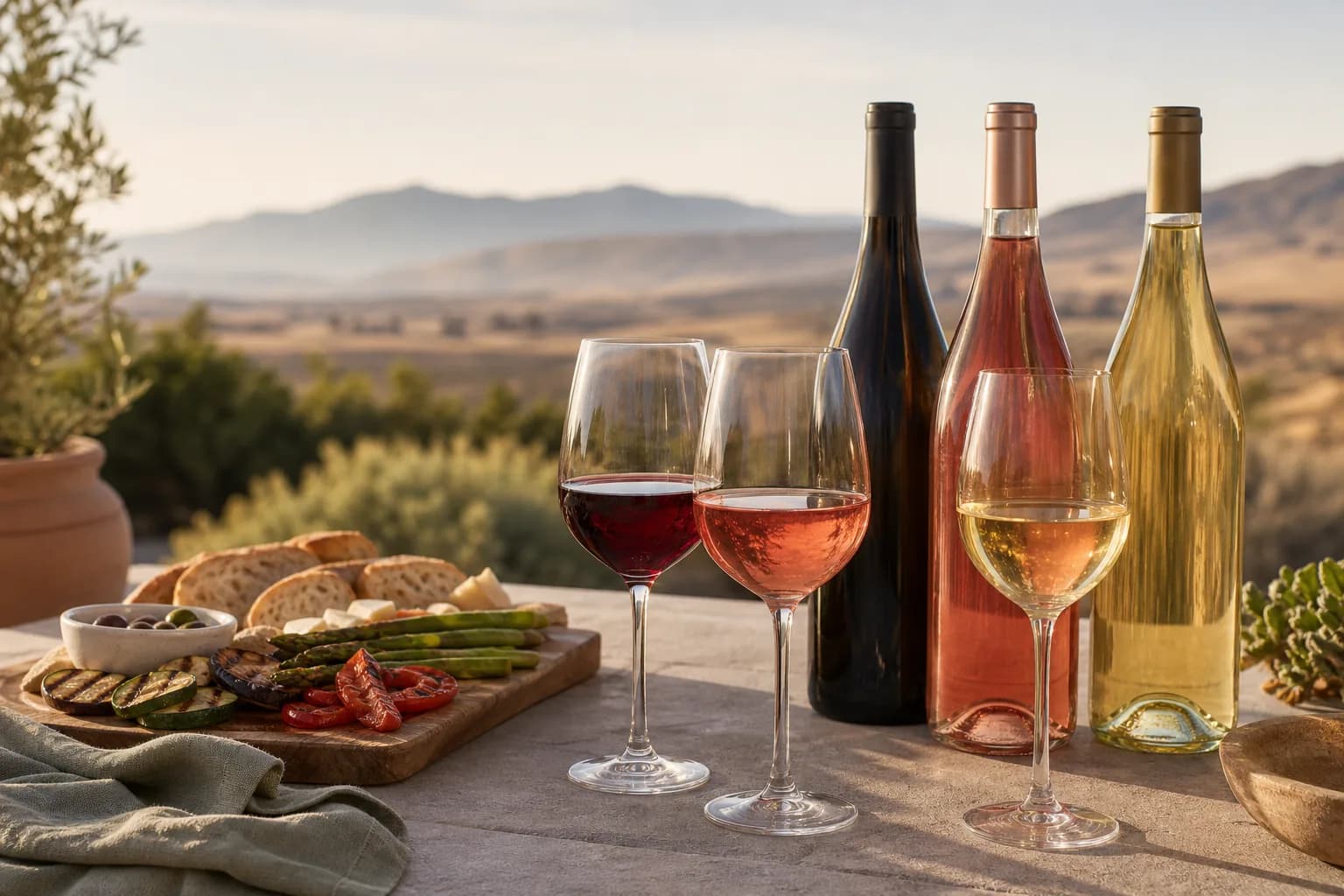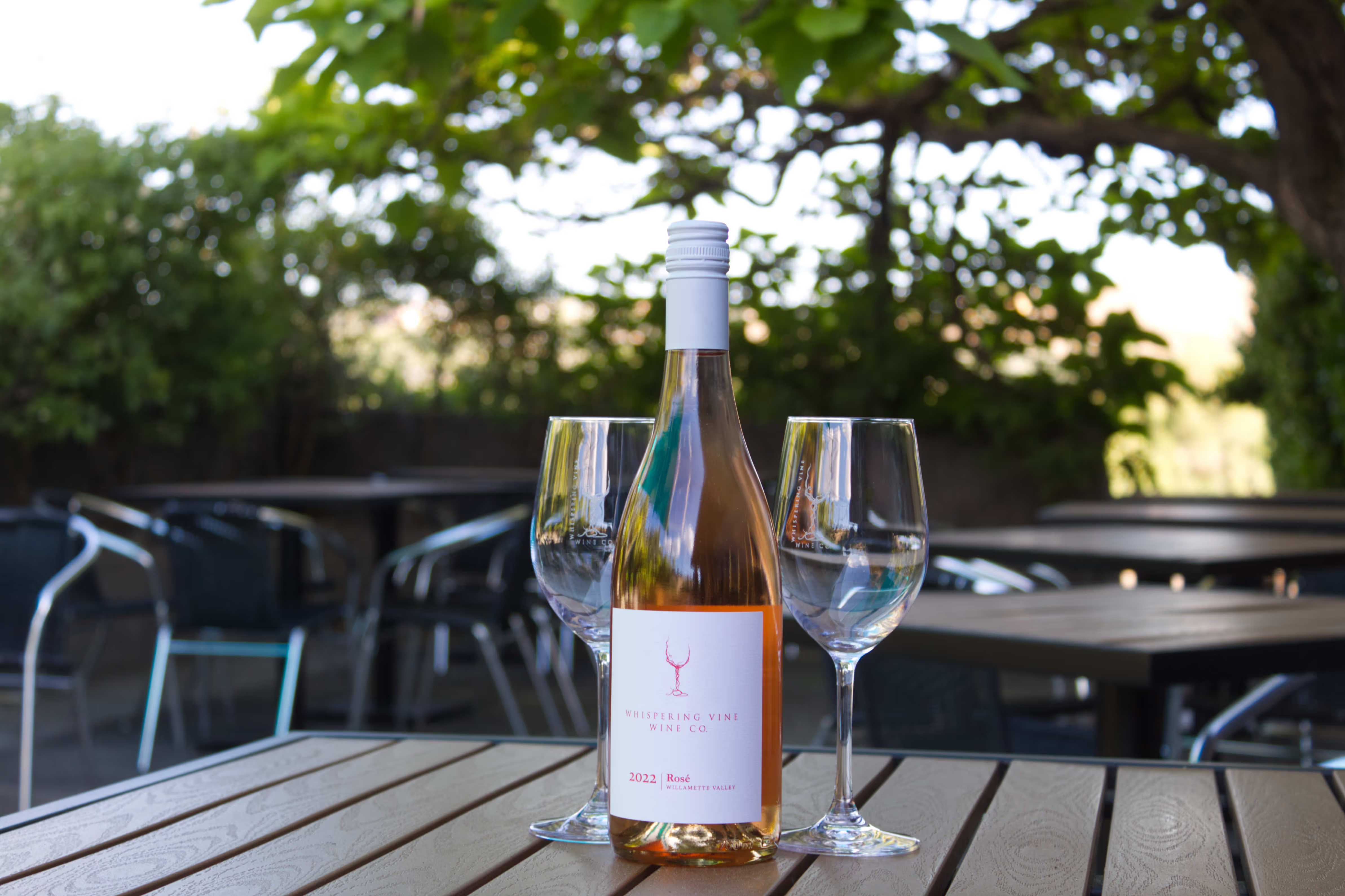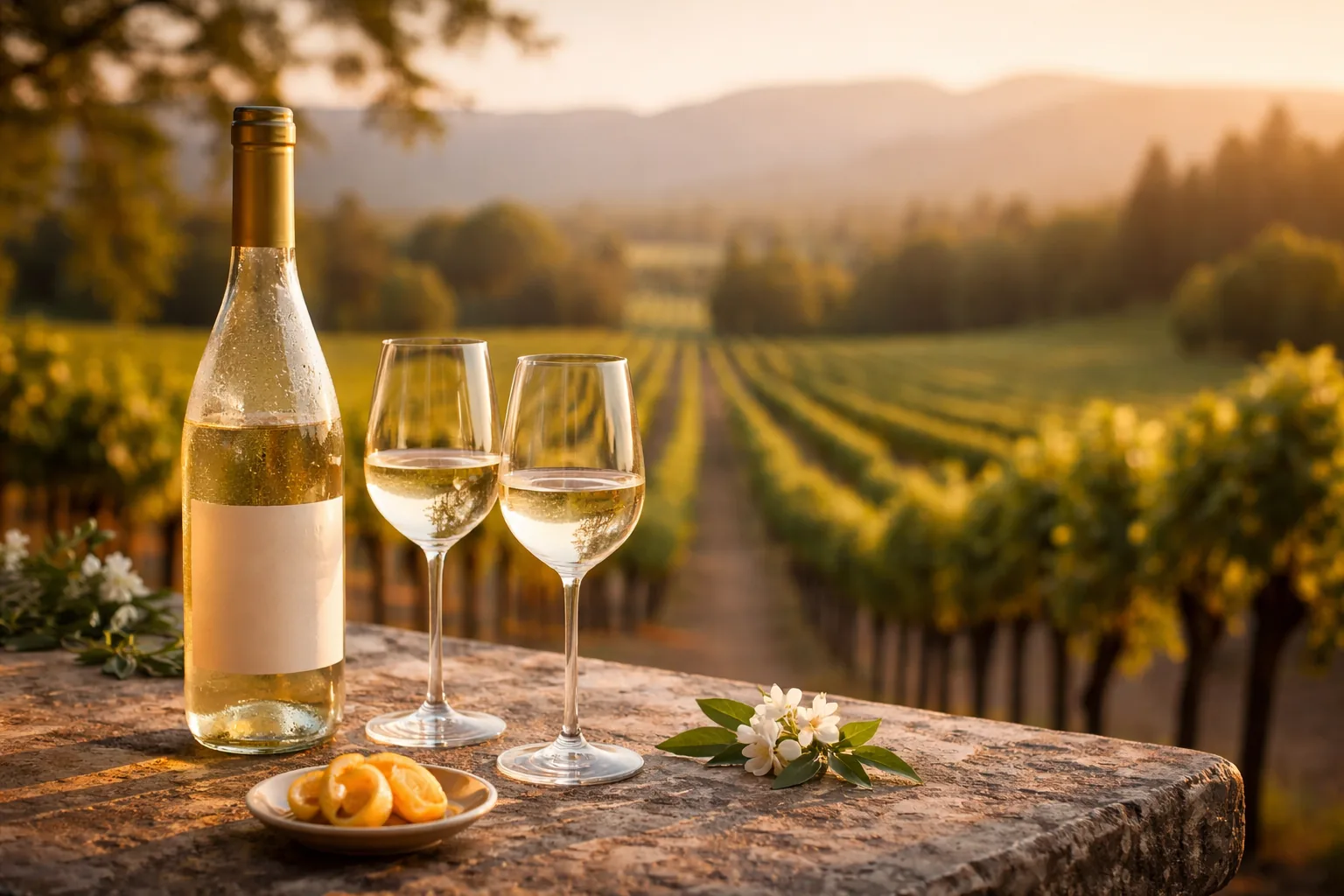
Dry white wine should be one of the easiest bottles to buy, but the shelf can still get crowded fast. Sauvignon Blanc, Pinot Grigio, Chardonnay, dry Riesling, and white blends all sit in the same broad lane while drinking very differently at the table.
The useful question is not just whether a wine is dry. It is whether the bottle is crisp, textured, round, aromatic, or built for richer food.
Here is a practical way to choose dry white wines in Reno without turning dinner into a research project.
What "Dry" Actually Means at the Shelf
"Dry" means there is very little residual sugar in the finished wine. In practical terms, dry white wines taste crisp, clean, and food-friendly.
At the shelf, you will usually get the result you want by focusing on acidity and body rather than memorizing dozens of regions.
Use this quick style map:
- Light and crisp: Sauvignon Blanc, Pinot Grigio, dry Riesling styles
- Mid-body and textured: unoaked Chardonnay, some white Rhône blends
- Rounder dry styles: Chardonnay with moderate oak, white Bordeaux blends
If you want the safest all-around purchase, start in the light-to-mid body range.
The 3-Bottle Dry White Buying Framework
When you are choosing for a dinner, event, or weekend stock-up, build a three-bottle set:
- Crowd-pleaser bottle: High-acid and clean for broad appeal
- Food-first bottle: Chosen for your main dish
- Discovery bottle: One new producer or region to keep your palate moving
This structure lowers risk and keeps your cart useful beyond one meal.
Fast Pairing Rules That Work for Most Menus
You do not need a long pairing chart. Use these simple rules:
- Seafood, salads, goat cheese: crisp high-acid whites
- Roast chicken, creamy pasta, richer sauces: medium-body dry whites
- Spicy dishes: aromatic dry whites with freshness and lower oak influence
For Reno hosts planning a mixed table, keep one bright bottle and one richer bottle on hand. That two-lane setup solves most menus.
How to Buy Dry White Wines in Reno Without Guessing
If your goal is to save time and buy better, follow this five-step flow:
1. Start with occasion and serving temperature
Decide first whether you are buying for aperitif pours, dinner pairings, or gift use.
2. Set a price band before you browse
Pick a range ($18-$30 for weeknight versatility, higher for cellar-worthy bottles). A price boundary improves decision quality fast.
3. Filter for style, not brand familiarity
Look for descriptors like crisp, mineral, citrus, or textured. Brand loyalty is useful, but style fit matters more.
4. Build the three-bottle set
Use the framework above to avoid duplicate style picks.
5. Add one event to your calendar
In-person tasting is still the fastest way to calibrate palate preferences and reduce future buying mistakes.
Why This Matters for 2026 Wine Buyers
Most people do not need a complete map of every white wine region before they buy. They need a short way to connect the bottle to tonight's menu, this weekend's guests, or the gift they are carrying to dinner.
That is where a clear style filter helps. Choose by body, acidity, and occasion first, then use producers and regions to narrow the final bottle.
Final Takeaway
Buying dry white wines in Reno is easier when you use a repeatable system.
- Choose by style and occasion before you choose by label.
- Keep a three-bottle mix for flexibility across meals.
- Pair shopping with tastings so each purchase gets smarter.
Ready to put this into practice? Start with the current shop selection, then lock in your next tasting night on the events calendar.